
Pinoy Games - The Allure and Controversy of Jueteng in the Realm of Pinoy Games
Explore the intricate dynamics of Jueteng, a popular yet controversial lottery game in the Philippines, often referred to in the realm of 'Pinoy Games'. This article delves into its history, impact, and the ongoing debate surrounding its existence.
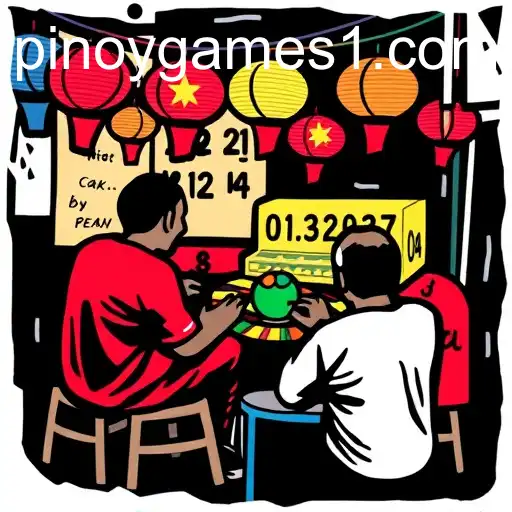
The Allure and Controversy of Jueteng in the Realm of Pinoy Games
The world of Pinoy Games is diverse, ranging from traditional outdoor pastimes to complex competitive sports. Among these, Jueteng stands out as a contentious yet enduring cultural phenomenon. At its heart, Jueteng is a numbers game, an illegal lottery that has seeped into the very fabric of Filipino society. Despite legal challenges and moral debates, it remains popular across various regions.
Understanding Jueteng
Jueteng has its roots in Spanish colonial rule, with the term itself derived from the Chinese 'hue' meaning 'flower' and 'teng' meaning 'bet'. This indicates a game initially influenced by Chinese immigrants in the Philippines. Historically, it was a street game, often played in close-knit communities. Though simple in nature, the game has evolved much over the years, becoming deeply entrenched in Filipino culture.
The game involves betting on numbers typically ranging from 1 to 37. Bets are collected by a 'cabo', who then hands them over to a 'coordinator'. The winning numbers are drawn using a small wooden ball or a roulette wheel. Winners receive a cash prize, while the operators and collectors take a share of the bets. This grassroots system, combined with low entry costs, makes Jueteng an accessible and attractive option for many Filipinos.
The Allure of Jueteng Among Pinoy Games
One of the reasons for Jueteng's popularity lies in its accessibility. Compared to other forms of gambling, Jueteng allows bettors with limited financial means to participate. In villages and urban poor communities, it is not uncommon to see residents placing bets with just a few pesos.
Beyond its accessibility, Jueteng offers a sense of community and excitement. The drawing of numbers becomes a local event, with people gathering to discuss potential outcomes, share strategies or simply enjoy the camaraderie. In this sense, Jueteng is not just about monetary gain but also about maintaining social bonds.
Legal and Ethical Debates
Despite its local charm, Jueteng is illegal under Philippine law. Numerous efforts have been made to eradicate it, often framed as anti-corruption campaigns by successive governments. However, these efforts are met with varying degrees of success.
The illegal nature of Jueteng raises ethical questions regarding its operation. Concerns around exploitation, corruption, and the involvement of organized crime are frequently highlighted. Critics argue that the game disproportionately affects the poor, encouraging a cycle of dependency and financial instability.
On the other hand, proponents suggest decriminalizing Jueteng, integrating it into a regulated framework that could potentially benefit the state financially through taxes. These opponents highlight valuable lessons from legalized gambling practices elsewhere, arguing for a balance between regulation and community needs.
The Socio-Economic Impact of Jueteng
Jueteng's impact on Filipino society is multifaceted. Economically, it creates a substantial informal economy, providing jobs and income for operators, bet collectors, and even local authorities who may turn a blind eye for a fee.
Socially, it reflects the deep-seated challenges of poverty and limited employment opportunities in the country. For many, the hopes attached to winning the lottery offer a rare glimmer of financial relief, albeit with high risks attached.
Jueteng and Popular Culture
Jueteng also leaves its mark on Filipino culture, often depicted in films and television as a symbol of corruption or the struggles of the working class. This presence in media reflects its dual role as both a societal challenge and a cultural staple among Pinoy Games.
Future Prospects
The future of Jueteng remains uncertain. While Filipino society continues to grapple with its legal and moral implications, the demand amongst the populace remains strong. Addressing Jueteng not just as a legal issue but as a complex cultural phenomenon requires an understanding of its pervasive influence on individual lives.
Ultimately, the legacy of Jueteng within the spectrum of Pinoy Games illustrates the complex interplay between cultural tradition, legal frameworks, and societal challenges. Whether banned or legalized, its story serves as a compelling chapter in the broader narrative of Philippine society.








GOLD VIP
Minimum deposit: ₱1,500
- ✅ 150% bonus on all deposits
- ✅ Priority withdrawal in 1 minute
- ✅ 10% cashback weekly
- ✅ VIP support 24/7
- ✅ Higher betting limits
PLATINUM VIP
Minimum deposit: ₱6,000
- ✅ 200% bonus + all Gold benefits
- ✅ Instant withdrawal 24/7
- ✅ 15% cashback weekly
- ✅ Exclusive VIP table in casino
- ✅ Special event invitations
DIAMOND VIP
Minimum deposit: ₱30,000
- ✅ 300% bonus + all previous benefits
- ✅ Dedicated personal manager
- ✅ 20% cashback weekly
- ✅ Unlimited withdrawal limits
- ✅ Exclusive trips and gifts
🚀 Register NOW and Get ₱15,000 Bonus!
⏰ LIMITED TIME OFFER! Join over 1.2 million players who have already discovered why Pinoy Games is the #1 betting platform in the Philippines. Registration in 30 seconds, first withdrawal in 2 minutes!
💬 What our players say
"Best platform I've ever used! GCash withdrawal in 2 minutes, amazing support!"
- Carlos M., Manila ⭐⭐⭐⭐⭐
"Won ₱45,000 on Gates of Olympus! They paid everything correctly via GCash."
- Ana L., Cebu ⭐⭐⭐⭐⭐
"VIP system is amazing! I have a personal manager and cashback every week."
- Roberto S., Davao ⭐⭐⭐⭐⭐
PAGCOR License
SSL 256-bit
eCOGRA
BSP Approved